






Escape Room Jerez: vive la mejor experiencia de escape en Experiencity
Si estás buscando un Escape Room en Jerez que combine historias inmersivas, escenarios de alto nivel y retos inteligentes, estás en el lugar adecuado. Experiencias reconocidas a nivel nacional con premios a mejor experiencia, mejores pruebas y mejor experiencia de Terror.
¡La oferta más grande de experiencias que encontrarás en Jerez de la Frontera!





¿Dónde estamos?
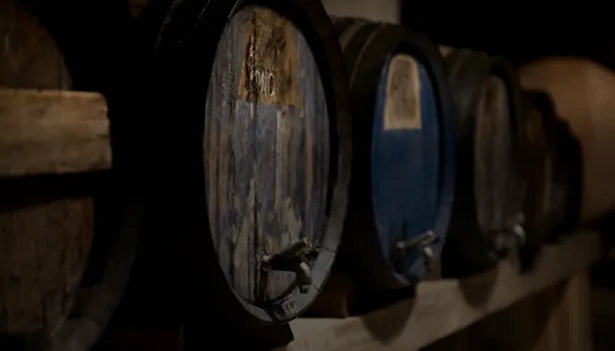
La Ambición del Brandy
Plaza compañía 11, Jerez
Autobús más cercano: 10, 11, M-902, 2, 3
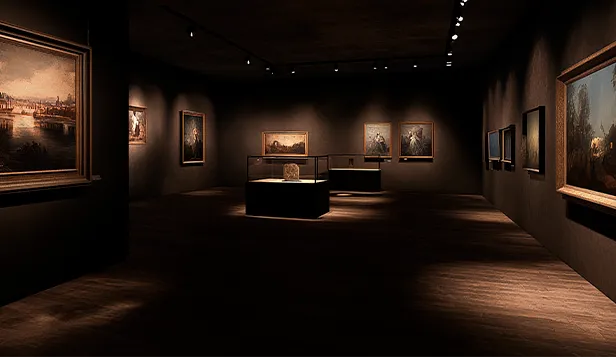
Salomon Museum
C. Maestro Fernando Sierra 4, Jerez
Autobús más cercano: M-902, 9, 10, 14
Entre Almas: La Venganza
Avenida de Lebrija 4, Jerez
Autobús más cercano: 4, 5, 9, 8, 17
¿Por qué Una Vuelta de Tuerca es uno de los Escape Room mejor valorados de Jerez?
No todos los Escape Room son iguales. En Una Vuelta de Tuerca - Experiencity Jerez trabajamos bajo estándares profesionales de ocio experiencial bajo el sello de calidad Experiencity:
- Escenarios realistas y cuidados
- Historias con coherencia narrativa
- Enigmas integrados en la trama (no puzzles porque sí)
- Game Masters formados que adaptan la experiencia al grupo
- Alta tasa de satisfacción y repetición
Esto nos posiciona como una de las mejores opciones de Escape Room en Jerez de la Frontera.
¡Haz tu reserva aquí!
Experiencias de Escape Room en Jerez para todos los públicos
Disfruta de un plan inolvidable, lleno de diversión, intriga y cooperación. Nuestras experiencias están pensadas para todo tipo de participantes: desde quienes buscan acción hasta los amantes de la estrategia. Escoge a tu grupo perfecto y adéntrate en una aventura memorable en Jerez de la Frontera.
Por eso, es una opción ideal para:
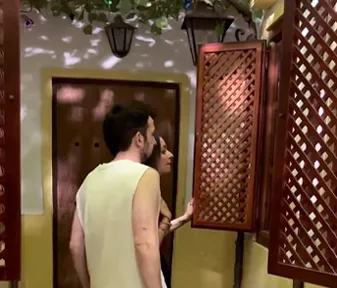
Plan con amigos
Ríe, colabora y enfrenta desafíos con tu grupo de amigos. ¡Una forma diferente y emocionante de pasar tiempo juntos!
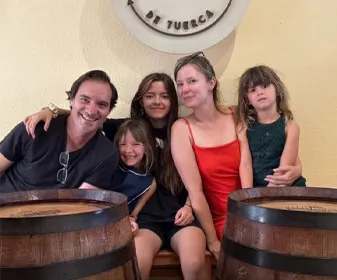
Plan con familia
Experiencias diseñadas para que adultos y niños jueguen juntos, fomentando la cooperación y la creatividad.

Plan con niños y niñas
Ven con los más peques para vivir juntos una aventura que nunca olvidarán. ¡Ellos también pueden ser los héroes del juego!

Plan de pareja
Vive una cita diferente, divertida y llena de complicidad con tu pareja. Enfrentaros juntos a los retos y salid más unidos que nunca.
Todos los Escape Room de Experiencity en Andalucia
¡En Experiencity te ofrecemos el mayor catálogo de experiencias de Andalucía! Contamos con más marcas y locales con el mismo valor y calidad de Una Vuelta de Tuerca - Experiencity Jerez en toda la comunidad.
En Málaga podrás disfrutar de los Escape Room más tecnológicos y modernos en Torrenigma - Experiencity Málaga. En Sevilla puedes disfrutar de la marca Colors y ArcadeXP con experiencias para toda la familia y con Terror Stories para disfrutar de Escape Room de Terror que no olvidarás. ¡Y en Córdoba te esperan los mejores Escape Room de la ciudad en Aquí hay Gato Encerrado by Experiencity!
Tú eliges tu aventura, ¡nosotros la hacemos realidad!



Escape Room Premiados. Reconocimiento a nivel nacional
¡Nuestras experiencias han sido reconocidos por los premios nacionales Escape Room Awards y 10Escapes por mejores pruebas, ambientación y un reconocimiento a Entre Almas entre las mejores experiencias de terror de España.